
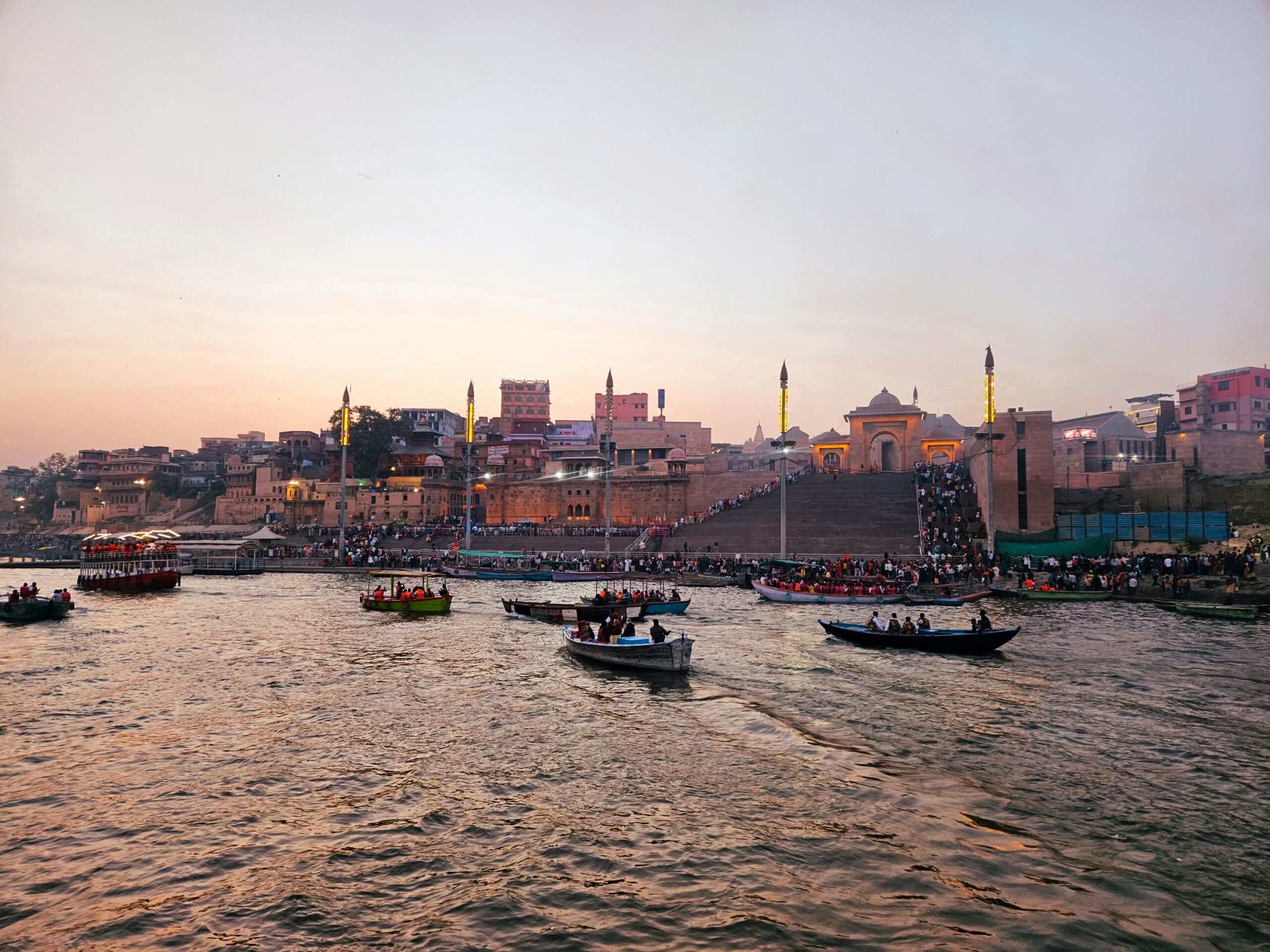
Varanasi Evening Ritual Walks Only Locals Know About , Have you ever wondered what happens when the sun dips below the horizon in one of the world’s oldest living cities? Varanasi transforms into something entirely different once evening descends. While thousands of tourists flock to Dashashwamedh Ghat for the famous Ganga Aarti, locals know secret pathways and hidden rituals that reveal the city’s true spiritual heartbeat.
The evening ritual walks in Varanasi aren’t just about sightseeing. They’re about feeling the pulse of a civilization that has been continuously inhabited for over 3,000 years. These walks take you through labyrinthine alleys where temple bells echo, incense smoke curls through ancient doorways, and the Ganges reflects the flickering diyas like a million stars fallen to earth.
Why Evening Walks in Varanasi Are Different
The Spiritual Energy of Twilight
Varanasi Evening Ritual Walks Only Locals Know About ,There’s something almost otherworldly about Varanasi during the twilight hours. Locals call this time “sandhya kaal,” the junction between day and night when the veil between the material and spiritual worlds grows thin. The energy shifts palpably as priests begin their evening rituals and the city prepares for its nightly communion with the divine.
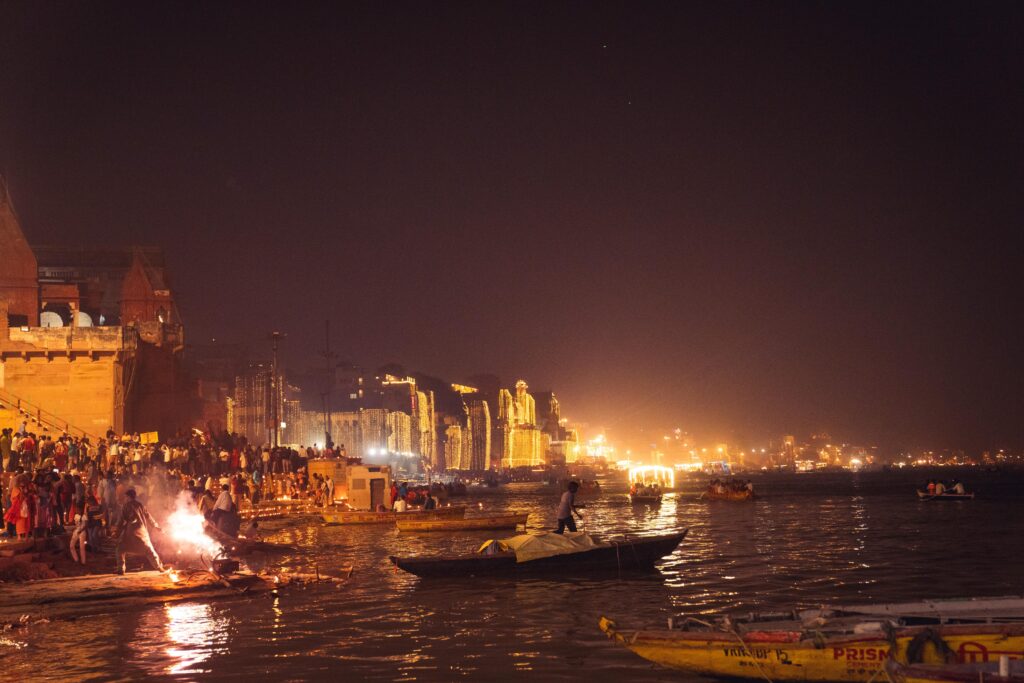
The light itself becomes magical. Photographers chase the golden hour, but in Varanasi, the blue hour that follows is even more enchanting. Smoke from cremation ghats mingles with cooking fires, temple lamps illuminate centuries-old stone, and the entire city seems suspended between past and present.
Beyond the Tourist Trail
Most visitors stick to the main ghats and well-trodden paths. But locals navigate completely different routes during their evening walks. These paths take them through residential neighborhoods where life unfolds authentically, past neighborhood temples where small pujas happen without fanfare, and along narrow lanes where the essence of Banaras culture remains untouched by commercial tourism.
The difference between tourist walks and local ritual walks is like comparing a postcard to a handwritten letter. One shows you the picture, the other lets you feel the soul.
The Hidden Lanes of Assi Ghat
Walking Through Time in Narrow Alleys
Assi Ghat marks the southern boundary of the main ghat area, and while many tourists visit for the evening aarti, few explore the residential maze behind it. Locals take evening walks through these lanes as part of their daily routine, and you’ll discover why once you venture in.
These alleys are barely wide enough for two people to pass. Buildings lean toward each other overhead, creating natural tunnels decorated with laundry lines and electrical wires. But look closer and you’ll spot ancient lingams embedded in walls, tiny shrines at every corner, and doorways carved with centuries-old symbols.
During evening walks, you’ll encounter families sitting on their stoops, children playing cricket in impossibly narrow spaces, and elderly residents making their way to neighborhood temples. The atmosphere is convivial, unhurried, and authentically local.
Street Food Treasures Along the Way
One of the best-kept secrets about evening walks near Assi Ghat is the incredible street food only locals know about. Forget the touristy restaurants on the main road. The real culinary treasures hide in these lanes.
There’s the paan shop that’s been operating for four generations, where the proprietor crafts each betel leaf preparation like an artwork. Around the corner, you’ll find the tamatar chaat wallah who serves spicy tomato chat in kulhads (clay cups) that locals swear is better than any restaurant version. And don’t miss the lassi shop tucked away in an alley so narrow you might walk past it twice before spotting it.
These vendors know their regular customers by name. During evening walks, locals stop for quick conversations, share neighborhood gossip, and maintain the social fabric that makes Varanasi feel like a collection of villages rather than a city.
The Lesser-Known Harishchandra Ghat Experience
Understanding the Eternal Flame
While Manikarnika Ghat gets all the attention as Varanasi’s primary cremation site, Harishchandra Ghat holds its own sacred significance. This is where King Harishchandra, known for his unwavering commitment to truth, supposedly worked at a cremation ground.
Locals often include this ghat in their evening walks, not out of morbid curiosity but as a meditation on life’s impermanence. The eternal flame here has burned continuously for centuries, tended by the Dom Raja’s family. Watching it in the evening, as shadows lengthen and the Ganges flows silently past, offers profound perspective.
Respectful Observation and Local Etiquette
If you follow local routes to Harishchandra Ghat during evening hours, understanding proper etiquette is essential. Photography is absolutely prohibited. Locals maintain a respectful distance and never point or stare at funeral proceedings.
The walk itself becomes a contemplative experience. You’re not a spectator but a witness to one of humanity’s most ancient and continuous rituals. Locals might stop at nearby temples to offer prayers for the departed souls, light a diya at the ghat steps, or simply sit quietly on the stone platforms, lost in thought.
This isn’t tourism. This is participation in a living tradition that defines Varanasi’s identity.
Dashashwamedh to Manikarnika: The Path Less Traveled
Side Lanes That Tell Forgotten Stories
Everyone knows the waterfront route between these two famous ghats. But locals take an entirely different path through the inner lanes, and this route reveals stories that most visitors never hear.
The walk takes you past the house where Kabir, the mystic poet, supposedly lived. You’ll encounter the Nepali Temple with its striking wooden architecture. Small shrines dedicated to local deities appear every few meters, each with its own legend known only to neighborhood residents.
During evening walks, these lanes come alive with activity. Silk weavers work their looms by lamplight, their shuttles creating rhythms that have remained unchanged for generations. Sanskrit scholars gather in temple courtyards to debate ancient texts. Musicians practice for the next day’s performances.
Temple Courtyards Where Locals Gather
One of the most beautiful aspects of local evening walks is discovering neighborhood temple courtyards where communities gather. These aren’t grand monuments but intimate spaces where social life centers.
At the Kedareshwara Temple courtyard, elderly gentlemen gather every evening for philosophical discussions. At the Annapurna Temple, women congregate after completing their household duties, sharing the day’s events. Children run around these spaces freely, learning religious traditions through osmosis rather than formal instruction.
If you’re respectful and genuinely interested, locals often welcome strangers into these gatherings. You might be offered chai, asked about your impressions of Varanasi, or invited to join the evening aarti. These spontaneous interactions transform a simple walk into a cross-cultural exchange.
Evening Walks Through Banaras Hindu University Campus
The Vishwanath Temple at Dusk
The Banaras Hindu University campus offers a completely different evening walk experience. Locals, especially those living in the southern parts of Varanasi, frequently visit the BHU Vishwanath Temple during evening hours.
Unlike the crowded Kashi Vishwanath Temple in the old city, this temple stands in spacious, well-maintained grounds. The architecture is magnificent, built in white marble with tall shikhara towers reaching skyward. During evening hours, the temple illuminates beautifully, and the atmosphere is peaceful rather than chaotic.
The walk through BHU campus itself is refreshing. Tree-lined avenues, colonial-era buildings, and open spaces provide respite from the dense old city. Students cycle past, libraries glow with study lamps, and the overall energy feels youthful and intellectual.
Student Life and Cultural Immersion
Evening walks through BHU offer unexpected cultural immersion. The university attracts students from across India and abroad, creating a microcosm of contemporary Indian society within Varanasi’s ancient context.
Locals often stroll through the campus to enjoy the atmosphere. You’ll encounter students rehearsing classical music in the Faculty of Performing Arts, debating politics under banyan trees, or practicing sports on open grounds. The campus canteens serve excellent, inexpensive food that locals frequent.
This walk provides perspective on how Varanasi balances tradition with modernity. The same city where 2,000-year-old rituals continue unchanged also houses one of India’s premier universities where cutting-edge research happens daily.
Exploring the Bengali Tola Neighborhood
Colonial Architecture Meets Ancient Traditions
Bengali Tola represents one of Varanasi’s most fascinating neighborhoods, and locals include it in evening walks to experience a distinct cultural flavor. This area was settled by Bengali families centuries ago, and it retains unique characteristics.
The architecture here differs markedly from typical Varanasi buildings. You’ll spot colonial-era mansions with large windows, balconies, and courtyards. Many families have lived in the same houses for generations, maintaining traditions brought from Bengal while adapting to Banarasi life.
During evening walks, you’ll hear Bengali being spoken alongside Hindi and Bhojpuri. The smell of fish curry—unusual in this predominantly vegetarian city—wafts from some households. Cultural synthesis happens organically here, creating something uniquely Varanasi.
Chai Stalls and Evening Conversations
The chai stalls in Bengali Tola become evening gathering spots where locals engage in animated discussions. These aren’t tourist cafes but neighborhood institutions where regulars have their designated spots and preferred blends.
At these stalls, you’ll overhear conversations about everything from local politics to philosophical concepts, cricket matches to poetry. The stall owners often double as community counselors, listening to problems and offering advice while expertly preparing cup after cup of chai.
Joining these evening chai sessions offers authentic insight into local life. If you’re open and respectful, you’ll likely be drawn into conversations, asked questions, and perhaps even invited to someone’s home for dinner.
The Ritual of Evening Puja at Smaller Ghats
Participating in Local Ceremonies
While the Dashashwamedh Ghat Aarti draws massive crowds, smaller ghats host intimate evening pujas that locals prefer. Shitala Ghat, Munshi Ghat, and Meer Ghat all conduct beautiful ceremonies with only a handful of participants.
These pujas maintain traditional forms without theatrical elements added for tourists. Priests chant Sanskrit mantras passed down through generations. Participants often include the same families who have attended for decades. The atmosphere is devotional rather than performative.
Locals welcome respectful visitors to these ceremonies. You might be handed a diya to float on the Ganges or invited to take prasad afterward. These moments of inclusion create profound connections that transcend language and cultural barriers.
Best Time and Safety Considerations
The optimal time for local-style evening walks in Varanasi is between 5:30 PM and 8:00 PM. This window captures the magical transition from day to night while avoiding late-night safety concerns.
Crowds concentrate at major ghats during Aarti time (around 6:30-7:00 PM), so if you’re following local routes through side lanes, you’ll encounter minimal tourist congestion. However, you should still expect narrow alleys to be busy with residents going about their evening routines.
Walking single file, staying aware of your surroundings, and moving at a relaxed pace helps you navigate safely. Remember that locals are accustomed to these conditions and move through crowds with practiced ease. Following their lead serves you well.
What to Wear and Carry
Locals dress modestly for evening walks, and visitors should do likewise. For women, this means covering shoulders and knees. For men, shorts are generally acceptable but long pants are more respectful, especially when visiting temples.
Comfortable walking shoes with good grip are essential—Varanasi’s stone paths can be slippery, especially near ghats. Carry minimal belongings. A small crossbody bag works better than a backpack in narrow lanes. Keep your phone charged for navigation and emergency contacts.
Bringing a small flashlight or ensuring your phone’s flashlight works is wise. Many inner lanes have limited lighting after dark. Carrying hand sanitizer and perhaps wet wipes is practical given limited restroom access during walks.
Connecting With Locals During Evening Walks
Learning Basic Hindi Phrases
Even basic Hindi phrases dramatically improve your evening walk experience in Varanasi. Locals appreciate the effort and become much more welcoming when you attempt their language.
Essential phrases include “Namaste” (hello/goodbye), “Dhanyavaad” (thank you), “Kitna hai?” (how much?), and “Kripya madad karein” (please help). Learning to say “Bahut sundar hai” (very beautiful) lets you compliment temples, artwork, or views you encounter.
Many older locals speak limited English, but younger generations often speak it well. Don’t hesitate to ask for help or directions. Varanasi residents are generally helpful and take pride in sharing their city with genuinely interested visitors.
Understanding Social Norms
Successful integration into local evening walks requires understanding social norms. Always ask permission before photographing people or entering private spaces like temple inner sanctums. Remove shoes before entering temples and homes. Don’t touch food with your left hand when street food vendors serve you.
Personal space concepts differ from Western norms. Light physical contact during crowded walks is normal and not intended as aggressive. Conversely, public displays of affection between couples are inappropriate and make locals uncomfortable.
Respect for elders is paramount. If an elderly person needs to pass in a narrow lane, step aside first. Greeting elders with “Namaste” and a slight bow earns respect and opens doors for genuine interactions.
Conclusion: Embracing the Soul of Varanasi
Evening ritual walks that only locals know about offer something profoundly different from standard tourism. These walks aren’t about checking off landmarks or collecting photographs. They’re about feeling the rhythm of a city that has pulsed with spiritual energy since the dawn of civilization.
When you follow the paths locals take during twilight hours, you step into a different relationship with Varanasi. The city stops being a destination and becomes an experience. You’re no longer observing from outside but participating, however briefly, in traditions that stretch back millennia.
The narrow lanes teach you that beauty exists in decay. The cremation ghats remind you of life’s preciousness. The neighborhood temples show you devotion in its most authentic form. The chai stalls prove that connection transcends language. And the Ganges, always the Ganges, flows on as it has for countless centuries, witnessing it all with patient serenity.
So when you visit Varanasi, certainly see the famous sites. But also venture into those side lanes as the sun sets. Follow where locals walk. Stop where they stop. Observe what they observe. In doing so, you’ll discover that Varanasi isn’t just a place—it’s a living philosophy, a continuous meditation, and an invitation to understand what it means to live consciously in an ancient land where every stone tells a thousand stories.
FAQs
1. Is it safe to walk through Varanasi’s narrow lanes during evening hours?
Yes, generally it’s quite safe. Varanasi has low violent crime rates, and locals regularly walk these routes. However, exercise normal precautions: stay aware of your surroundings, keep valuables secured, walk with purpose, and consider joining a small group if you’re uncomfortable alone. The period between 5:30-8:00 PM is particularly safe as many residents are out, shops remain open, and visibility is still reasonable.
2. Can I join local ceremonies at smaller ghats even if I’m not Hindu?
Absolutely. Varanasi’s spiritual traditions are generally inclusive, and locals welcome respectful visitors regardless of religion. The key is approaching with genuine interest and reverence. Stand where locals stand, follow their lead regarding participation, and if you’re unsure about anything, simply observe. Most priests and participants will signal whether you’re welcome to participate more actively.
3. How can I find these local walking routes without getting lost?
Start by downloading offline maps of Varanasi on Google Maps or Maps.me. Hire a local guide for your first evening walk who can show you these routes—many guides are locals themselves who know hidden paths. Alternatively, stay at a homestay or guesthouse where owners can draw maps and provide directions. Once you’ve walked a route once or twice, the paths become easier to navigate. The Ganges always provides orientation—it flows from south to north in Varanasi, so knowing where the river lies helps you navigate.
4. What’s the etiquette around taking photographs during these evening walks?
Always ask permission before photographing people, especially during religious ceremonies or at cremation ghats. Many locals don’t mind being photographed but appreciate being asked. Photographing temples from outside is generally acceptable, but ask before taking photos inside. Cremation areas prohibit photography entirely. Street scenes, architecture, and landscapes are typically fine to photograph without asking. Be discreet and respectful—your camera shouldn’t make locals feel uncomfortable in their own neighborhoods.
5. Are there guided walking tours that follow these local routes?
Yes, some specialized tour operators and local guides offer evening walks that focus on authentic experiences rather than tourist highlights. Look for walking tours led by Varanasi residents rather than large tour companies. Ask specific questions about routes—do they include residential neighborhoods, smaller ghats, and local interaction opportunities? Smaller group sizes (4-6 people) work better in narrow lanes and feel less intrusive. Alternatively, connecting with a local through homestay networks or cultural exchange platforms can lead to genuine evening walks with someone who actually lives these routes daily.





Comments are closed.